
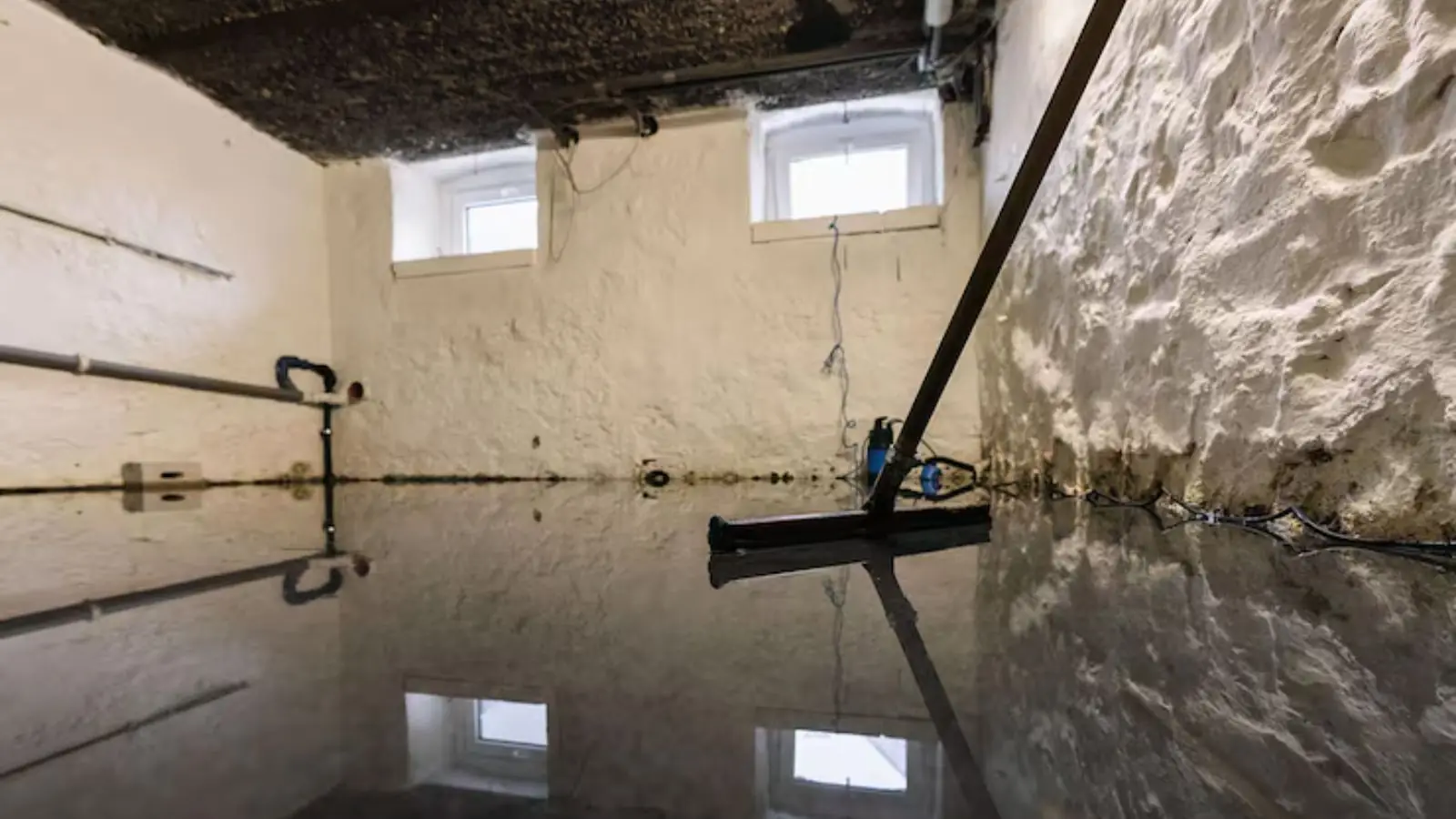
This page applies to any room that sits below the surrounding ground or that collects water because it is the low point of the house. That could be a true basement, a sunken family room, a lower-level suite or a garage with a drain. The cleanup sequence is the same wherever the water is trapped.
Start with the source and the category
Water in a low room comes from one of three directions. A supply pipe or appliance sends clean water. Groundwater or surface runoff seeps through walls and floor slabs, carrying soil and organic matter. A sewer or drain backup sends contaminated water up through a floor drain or toilet.
Industry practice under ANSI/IICRC S500 sorts water into categories, and the category drives what stays and what goes. You do not have to classify it yourself. You do have to describe it honestly on the phone: color, smell, where it entered, and how long it has been there.
Electrical safety comes first
If water is touching outlets, the breaker panel, a furnace or a water heater, stay out of the room. Cut power only if the panel can be reached on dry floor. Call the utility or 911 for any electrical or gas risk before calling the restoration line. Never wade into standing water that may be energized.
Water category and what happens to materials
| Water category | Typical source | What usually happens to materials |
|---|---|---|
| Category 1, clean | Broken supply line, tank overflow | Carpet and pad may be dried if caught early, drywall often dried in place |
| Category 2, gray | Washing machine or dishwasher discharge, some groundwater | Pad removed, carpet case by case, wet drywall often cut out |
| Category 3, black | Sewage backup, rising surface water with soil | Porous materials removed, structure cleaned and sanitized |
| Clean water left standing for days | Any source that was not extracted | Treated as a lower category, with more removal |
Time moves water down the table. Clean water that sits for a couple of days can no longer be treated as clean. That is one reason a flood damage restoration crew asks how long the water has been there before it talks about materials.
The cleanup sequence, in order
Make the space safe
Power is isolated where it can be done safely, and the crew checks for gas smells, slippery floors and blocked exits. Pets and children stay out.
Extract standing water
Truck-mounted or portable extraction units pull water out of the room and off the slab. Water that is contaminated is handled according to local rules and not dumped outside.
Remove wet carpet and pad
Pad holds water like a sponge and almost never dries in place. Carpet may be lifted, cut into strips and removed or, if the water was clean and fast action followed, cleaned and dried.
Flood cuts in drywall
Drywall that wicked water upward is cut out above the visible line, often 2 feet from the floor, so the wall cavity can be inspected and dried. Wet insulation comes out with it.
Dry the structure
Air movers and LGR dehumidifiers run while moisture meters and a thermal imaging camera track progress. Concrete takes longer than framing and the log records both.
Clean and sanitize
Surfaces are cleaned and treated with antimicrobial products as the scope calls for. HEPA air scrubbers may run during demolition and cleaning.
Water standing in a low room?
Call (805) 291-8940 for same-day response when available. Scope and price are explained before work starts.
Why sewage is a separate and stricter job
Sewage backup is its own category of work. The water carries contamination, so the crew wears protective gear, seals the work area, and removes porous materials that touched it, including carpet, pad, drywall and insulation. Hard surfaces are cleaned and sanitized.
Do not run a vacuum, mop the floor or flush fixtures in the meantime. Do not pump or hose contaminated water to the street or into a storm drain. Keep people and pets out, and call a plumber or your sewer provider about the line itself.
Drying a lower level takes longer than you expect
Concrete slabs and block walls release moisture slowly, and a room with no windows has little airflow. Drying equipment may run for several days, with readings taken each visit to decide when to move or remove it.
When the structure meets dry standards, the rebuild can begin. If the walls, flooring and trim need to be replaced, the work moves into water damage repair. Contents are sorted in parallel, with salvageable items cleaned and set aside.
Prevent the next one
- Shut off the main water if you will be away, and replace braided supply lines that are rusty or bulging
- Test the sump pump, if you have one, before the rainy season and keep the discharge pipe clear
- Keep gutters clean and downspouts pointed away from the foundation
- Store valuables on shelves or in plastic bins and not directly on the floor
- Know where the water shutoff and breaker panel are before you need them
If you are not sure what kind of loss you have, start with emergency water removal. Taking the standing water out is the step that limits the rest. Crews serving Oak Park and Camarillo follow the same category-based approach.
Newbury Park flood and insurance notes
Arroyo Conejo, also called Conejo Creek, flows southwest through Newbury Park, and a flood-control channel runs along the US 101 corridor. We cannot tell you whether your own address is in a mapped flood zone. Check the FEMA Flood Map Service Center for your address before you decide what coverage you might need.
If you are thinking about a flood policy, the California Department of Insurance notes that National Flood Insurance Program policies generally take effect 30 days after purchase. The exception is when a federally regulated lender requires coverage on a mortgage in a designated high-risk area. Buying one after a storm warning does not cover that storm.
City ordinance in Thousand Oaks prohibits dumping anything other than clean water into storm drains. If your basement water is anything but clean, do not pump it into the street or down a storm drain. Let the restoration crew dispose of it.
Sources: Wikipedia, FEMA Flood Map Service Center, California Department of Insurance, City of Thousand Oaks website
Frequently asked questions
How fast should water come out of a basement?
As soon as it is safe. Standing water soaks into slab, framing and contents, and the longer it stays, the more materials need to be removed. Ask your crew about their schedule and what they can do the same day when available.
Can I dry carpet in a basement?
Carpet exposed to clean water for a short time can sometimes be lifted, cleaned and dried while the pad is replaced. If the water was contaminated or sat for days, the carpet usually goes too.
Do I have to pump the water out myself first?
Not if electrical risk or contamination is involved. Do not use household electrical pumps in standing water that may touch power. Call the utility first if you see an electrical hazard, then the restoration line.
Does homeowners insurance cover groundwater in a basement?
Often not. The California Department of Insurance says standard homeowners policies do not cover flood, and water that seeps in from outside is frequently handled as a flood or water-backup question. Ask your insurer what your policy and any endorsements say.
Where can I check if my Newbury Park address is near a mapped flood area?
Use FEMA's Flood Map Service Center and enter your address. Arroyo Conejo runs through the community and a flood-control channel follows the US 101 corridor, but the map is the tool that matters for your lot.
If a lender requires flood coverage, that requirement can change how soon a policy takes effect.