
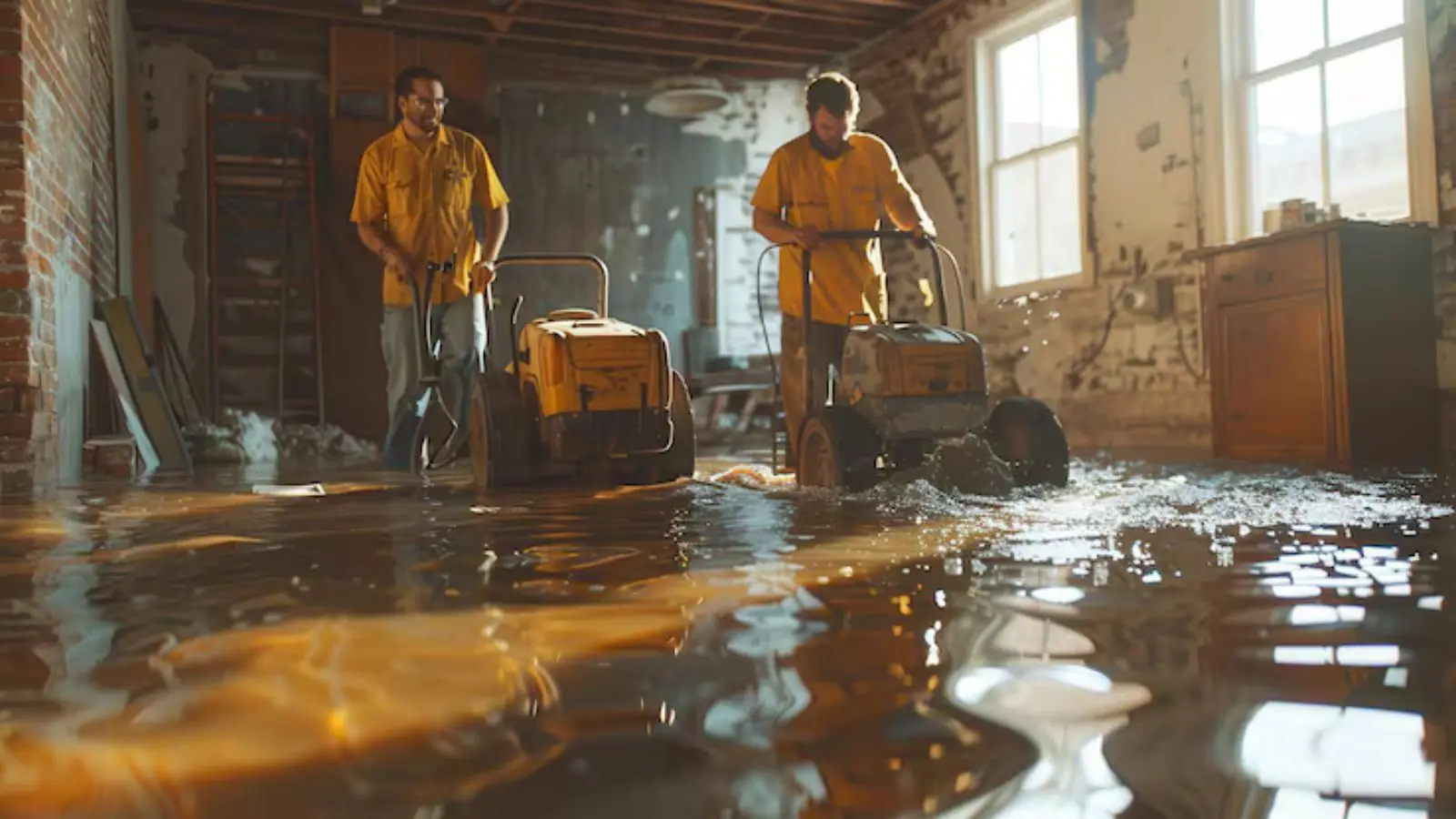
If water is on your floor right now, call the 24/7 line and keep reading while you wait. Shut off the main water valve if the source is a pipe, and lift valuables onto dry surfaces. Turn off power to wet areas only if you can reach the panel without stepping in water, and keep people and pets out of the water.
Emergency water removal in Newbury Park, CA starts with those steps and then moves to pumps and extraction units.
Extraction and drying follow the published ANSI/IICRC S500 standard for water damage restoration as the industry reference. You can ask any company whether its crews work to it.
When standing water is an emergency
Water is an emergency when it is still coming in, when it is deeper than a few inches, when it is moving through a ceiling or wall, or when it touches outlets, appliances or a floor furnace. It is also an emergency when the water came from a drain or toilet, because that water may carry bacteria and needs different handling.
Every hour counts because carpet pad soaks up water, drywall wicks it upward, and wood starts to swell. Pulling the water out early shortens the drying that follows and lowers the amount of material that has to be thrown away.
Safety first
If water has reached an electrical panel, outlets or a gas appliance, stay out of the room. Cut power only if the panel can be reached completely dry. Call your electric or gas utility or 911 for any electrical or gas risk before you call the restoration line. Never wade through water near live power.
How extraction works
Stop the source
The crew confirms the main valve, a failed supply line or an appliance is shut off. Removal only works when no new water is arriving.
Extract standing water
Submersible pumps clear deep water. Truck-mounted or portable extraction units pull water out of carpet, pad and hard floors.
Check what is still wet
Moisture meters and a thermal imaging camera find water that has moved into walls, cabinets and subfloors.
Hand off to drying
Air movers and LGR dehumidifiers take over from there, which is the water mitigation stage.
Water still spreading in your home?
Call now and tell us what is wet and where the water came from.
Burst pipe water damage
A burst pipe is the most common reason for an emergency call. The usual culprits are a supply line under a sink, a toilet or washing machine connection, a water heater that fails, and a pipe in an attic or wall that splits. Water from a supply pipe starts as clean water, but it turns into contaminated water if it sits for more than a day or two.
Find the main shut-off valve before the water gets deep. Take photos and short video of the water and the damage before moving things, because those records help later with an insurance claim. Do not use a household vacuum on standing water, and do not run the dishwasher or washer while the leak is active.
If the water came through a ceiling, keep clear of any bulging area and place a bucket under the drip. Ceiling light fixtures that are wet should be switched off at the wall only if the switch and floor are dry.
Crawl spaces, garages and whole-house leaks
A broken irrigation line can push water into a crawl space or against a foundation wall, and a failed water heater can flood a garage or a hallway. Crawl spaces need special care, since electrical lines and tight access make them unsafe to enter casually. If the whole house is taking on water from a storm or a main line, read about flood damage restoration as well.
| Water source | First move | What happens next |
|---|---|---|
| Supply pipe or fitting | Shut off the main valve | Extraction, then drying and a check of walls below |
| Appliance leak | Unplug the unit if it is safe and shut off its valve | Extraction, moisture readings under cabinets and flooring |
| Roof leak into a ceiling | Bucket under the drip and keep clear of bulges | Source repair, ceiling drying or removal |
| Sewage or drain backup | Stay out of the water and call | Treated as contaminated water with stricter safety steps |
What affects the cost
Removal scope depends on how deep the water is, how large the area is, what water category it falls under, how many rooms are affected and how long it sat. Carpet and pad often come out when the water is not clean. Scope and price are explained before work starts, and the written scope is useful if you file a claim.
In general terms, sudden and accidental water damage is often covered by a homeowner policy, while gradual leaks often are not, and flood damage usually needs separate flood coverage. Check your policy or ask your insurer, and keep your photos and receipts.
Local notes for Newbury Park
Four water providers serve the Conejo Valley, including the City of Thousand Oaks and California American Water, so the company that bills you may not be the city. Read your bill or use the city's Find Your Water Provider map before calling about a main line. When water is pumped out, do not send it to the street or a storm drain, because the city ordinance allows only clean water in storm drains.
We also serve Thousand Oaks and, once the water is out, the work moves to water damage cleanup for sanitizing and removal of ruined materials.
Frequently asked questions
Do you handle water removal emergencies at night or on weekends in Newbury Park?
Yes. The line is open 24/7, including nights, weekends and holidays. Same-day response is offered when available, and the person who answers will walk you through the first safe steps.
What should I do before help arrives?
Shut off the source if you can, keep power off in wet areas only if the panel is dry to reach, move valuables up, photograph the damage and keep people and pets out of the water.
Can I just use a wet vacuum?
A wet vacuum helps with a small spill but does not remove water from carpet pad or from inside walls. Larger losses need extraction units and drying equipment.
Is sewage water handled differently?
Yes. Water from a drain or toilet is contaminated, so stay out of it and call. The crew uses protective gear and removes affected porous materials.
Will my insurance pay for water removal?
It depends on your policy and the cause. Sudden and accidental water is often covered and flood usually is not. Check your policy or ask your insurer, and keep photos and a written scope.